
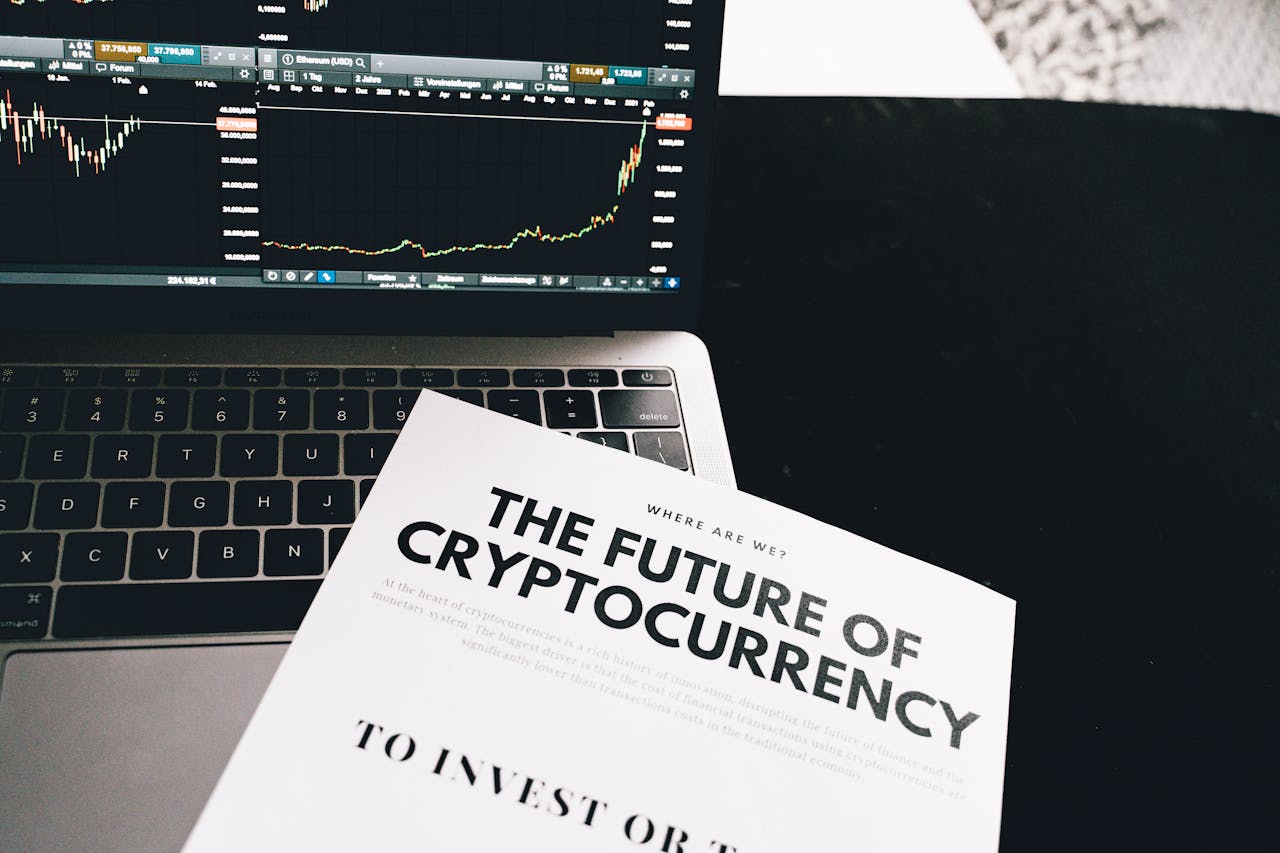
Buying cryptocurrency in 2026 is no longer the mysterious “tech bros only” activity it used to feel like a few years ago. In fact, it has slowly become something everyday Nigerians are quietly exploring alongside dollar savings, online businesses, and digital investing. Yet, despite the popularity, many beginners still get stuck at the very first step: how do you even buy crypto without making costly mistakes or getting scammed in the process?
This guide breaks everything down in a very practical way, using real-life logic instead of confusing jargon. So whether you are in Abuja trying to diversify your income, or you simply want to understand how Bitcoin, Ethereum, and other coins are actually bought and stored, this will walk you through it step by step in a way that feels natural, not technical overload.
And before anything else, you need to understand one simple truth: cryptocurrency is not complicated, but the process becomes confusing when it is not properly explained. Once that part is clear, everything else starts to make sense quickly.
Understanding What Cryptocurrency Really Is Before You Buy Anything
Before you even think about clicking “buy” on any app, it helps to understand what you are actually dealing with. Cryptocurrency is simply digital money that exists on the internet and is secured by technology called blockchain. Unlike Naira in your bank account, there is no physical version, and no central bank controls it.
Now, think of it this way: when you transfer money through your bank app, the bank still sits in the middle approving everything. But with crypto, the system is decentralized, meaning transactions happen directly between people, while a global network verifies everything automatically.
That is why coins like Bitcoin (BTC) and Ethereum (ETH) are often described as “digital assets” instead of just currency. Their value comes from demand, usage, and trust in the network rather than government backing.
If you want to explore basic crypto data while learning, platforms like CoinMarketCap give live prices and market trends in real time, which is useful when you start comparing coins.
Why Nigerians Are Paying Attention to Crypto in 2026
The interest in cryptocurrency in Nigeria did not happen randomly. It grew from real economic pressure, internet access, and the desire to find alternatives to traditional banking limitations. For many young people, crypto is not just investment talk, it is survival strategy, side income, and in some cases full-time business.
There are three main reasons behind this growth. First, people want access to global dollars without depending entirely on banks. Second, online businesses increasingly accept crypto payments. Third, the trading ecosystem has become easier with mobile apps that remove technical barriers.
However, there is still a catch. While access has improved, risk has also increased, especially for beginners who rush in without understanding how exchanges work or how wallets function. That is where most mistakes usually happen.
What You Actually Need Before Buying Cryptocurrency
Many beginners assume they can just download an app and start buying crypto immediately, but the process is slightly more structured. You need a few basic things in place before your first purchase goes through smoothly.
First, you need a smartphone with stable internet access. This sounds obvious, but crypto transactions are real-time, so poor connectivity can cause delays or errors. Second, you need a verified crypto exchange account. Third, you need a funding method, usually bank transfer or debit card depending on the platform.
Finally, you need a wallet mindset, meaning you must already understand where your coins will be stored after purchase. Some people leave assets on exchanges, while others move them to private wallets for extra control.
This preparation stage is what separates confident beginners from people who panic after their first mistake.
Choosing the Right Cryptocurrency Exchange (This Decision Matters More Than You Think)
Now we arrive at the part where most beginners either get it right or regret everything later. The exchange you choose determines your fees, your security, and how easily you can buy or sell crypto.
Globally trusted platforms include Binance, Coinbase, and KuCoin. Each of these platforms allows users to buy, sell, and store digital assets securely, although their features differ slightly depending on region and experience level.
For beginners in Nigeria, Luno has also been widely used because it simplifies the buying process and supports local banking systems.
But here is where things get interesting. Choosing an exchange is not just about popularity; it is about usability. A platform might be globally famous, yet confusing for beginners. Another might be less popular but extremely simple to navigate.
To compare platforms properly, you can also visit Binance, Coinbase, or KuCoin to explore how their interfaces work before committing your money.
Related Article How to Learn Cryptocurrency Trading in 2026/2027 (Beginner to Advanced Guide)
How Cryptocurrency Buying Actually Works (Simplified Breakdown)
At its core, buying cryptocurrency follows a simple flow, even though different apps may present it differently. Once you understand this flow, every platform starts to look familiar.
The process usually begins with account creation. You register with your email and phone number, then verify your identity using a government-issued ID. This step is called KYC (Know Your Customer), and it is required to prevent fraud.
After verification, you fund your account. In Nigeria, you can do this through bank transfer or peer-to-peer (P2P) trading, where you exchange Naira for crypto with another verified user under platform protection.
Once you fund your account, you simply choose the cryptocurrency you want, enter the amount, and confirm the purchase. The coins will then credited to your exchange wallet instantly or within a few minutes.
Simple in theory, but the details matter, especially when you start dealing with price fluctuations and transaction fees.
The Role of Wallets and Why You Should Care Early
One mistake many beginners make is ignoring wallets until something goes wrong. A wallet is where you store your cryptocurrency, and you can either host it on an exchange or kept privately.
Exchange wallets are convenient because they allow quick trading, but they come with risk since the platform technically controls access. Private wallets, on the other hand, give you full ownership of your coins, but they require more responsibility.
Think of it like this: keeping money in your bank app is easy, but keeping cash in your own safe at home gives you more control. Both have advantages depending on your goals.
Understanding this early will help you avoid unnecessary losses later, especially if you plan to hold crypto for long-term investment instead of daily trading.
Common Beginner Mistakes When Buying Crypto
Even though buying crypto is now easier than ever, beginners still make predictable mistakes that cost them money or confidence. One major mistake is buying based on hype instead of research. When everyone is shouting about a coin online, it is usually already too late.
Another mistake is ignoring fees. Small transaction fees might look harmless, but they accumulate quickly, especially if you trade frequently.
There is also the issue of security. Many people still store passwords carelessly or click random links pretending to be exchange login pages. This is where most scams happen, not on the blockchain itself, but around it.
Lastly, emotional trading destroys many beginners. Crypto markets move fast, and without discipline, decisions become reactions instead of strategy.
Why Understanding the Process Matters More Than Timing the Market
People often enter crypto thinking the most important thing is “when to buy,” but in reality, understanding “how to buy properly” is far more important at the beginning stage.
If the foundation is weak, even perfect timing will not save you from avoidable mistakes. But once you understand exchanges, wallets, and transaction flow, you can enter the market with far more confidence and less anxiety.
And that confidence is what actually keeps people consistent long enough to learn the deeper parts of crypto investing.
READ ALSO Best Trading Apps for in Nigeria (2026 Ultimate Guide)
Step-by-Step Guide to Buying Cryptocurrency in 2026 (Without Confusion or Costly Errors)
Once the basics are clear, the actual buying process becomes less intimidating, even though it still demands attention to detail. What usually confuses beginners is not the difficulty of buying crypto itself, but the number of small decisions involved along the way, especially when choosing payment methods, verifying accounts, and confirming trades.
So instead of rushing through random steps, it helps to follow a structured flow that mirrors how real users actually buy crypto in Nigeria and other emerging markets in 2026.
Step 1: Create an Account on a Trusted Exchange
The first practical step is to register on a reliable cryptocurrency exchange. This is where your journey officially begins, and it sets the tone for everything else you will do later.
During registration, you will typically provide your email address, create a strong password, and verify your phone number. Although it may feel like routine setup, this step is important because it activates your account security layer and ensures only you can access your funds.
And while it might feel tempting to rush through, slowing down here reduces future headaches, especially when recovering accounts or resetting credentials.
Step 2: Complete Identity Verification (KYC Process)
After registration, most platforms will require identity verification known as KYC (Know Your Customer). This is not optional on major exchanges, and it is actually a good thing because it protects users from fraud and illegal activity.
You will usually upload a government-issued ID such as a National ID card, international passport, or driver’s license. Some platforms may also require a selfie verification to confirm that the document belongs to you.
Although some beginners find this stage uncomfortable, it is part of global financial compliance. Without it, your account may remain limited or completely restricted from trading.
For example, if you are using Coinbase, verification is mandatory before you can buy or sell crypto. The same applies to most regulated exchanges globally.
Step 3: Fund Your Account Using Available Payment Methods
Once your account is verified, the next stage is funding. This is where your Naira or local currency gets converted into crypto buying power.
In Nigeria, most users rely heavily on bank transfers and peer-to-peer (P2P) trading systems because direct card purchases are sometimes restricted or limited by local banks.
P2P trading is especially important because it allows you to buy crypto directly from other verified users on the platform. The exchange acts as an escrow, meaning it holds the crypto until payment is confirmed, which reduces risk significantly.
So practically, you select “Buy Crypto,” choose your preferred currency (often USDT or BTC), and then select a seller offering a good rate. After transferring money to the seller’s bank account, the crypto is released into your wallet automatically once payment is confirmed.
This system is widely used on Luno and is one of the reasons it remains dominant in emerging markets.
Step 4: Choose the Cryptocurrency You Want to Buy
Now comes the moment most beginners focus on, which is selecting the actual coin. But here is where discipline becomes important because not every coin is worth buying at any given time.
The most common entry options are Bitcoin (BTC), Ethereum (ETH), and stablecoins like USDT, which are often used as a gateway currency for trading other assets.
Bitcoin is generally seen as a long-term store of value, while Ethereum powers decentralized applications and smart contracts. USDT, on the other hand, is pegged to the US dollar and is used to avoid market volatility.
To check live performance before making decisions, many traders rely on tools like CoinMarketCap or CoinGecko because they show price charts, trading volume, and market sentiment in real time.
This stage is where patience matters more than excitement, because impulsive decisions often lead to entry at high prices without proper understanding.
Step 5: Execute the Purchase and Confirm Transaction
After selecting your coin, the final step is executing the purchase. This is usually straightforward, but accuracy is important.
You enter the amount you want to buy, review the transaction details, and confirm the order. Within seconds or minutes, the crypto appears in your exchange wallet.
However, it is important to double-check everything before confirming because crypto transactions are irreversible. Unlike bank transfers where errors can sometimes be reversed, blockchain transactions cannot be undone once completed.
This is why experienced users always pause briefly before final confirmation, even when the process feels familiar.
READ ALSO How To Invest In US Stocks In Nigeria: A Complete Beginner’s Guide (2026)
Understanding Peer-to-Peer (P2P) Trading in Simple Terms
P2P trading deserves special attention because it is the backbone of crypto buying in Nigeria and several other countries with banking restrictions.
Instead of buying directly from the exchange, you are essentially buying from another user, while the platform ensures safety by holding the crypto until payment is confirmed.
Think of it like ordering something online where the platform holds the item until you confirm payment. Only after confirmation does the seller get paid.
This structure reduces scams significantly, but it still requires attention. You must always choose sellers with high completion rates and verified badges because they indicate reliability and trading history.
How to Avoid Scams While Buying Cryptocurrency
Even though exchanges have improved security systems, scammers still find ways to target beginners, especially outside the main platform environment.
One common tactic is fake customer support messages asking for login details. Another is phishing links that look exactly like official exchange websites but are designed to steal credentials.
There is also social engineering, where someone pretends to be a trader offering “too good to be true” rates outside the platform, trying to lure users into private transactions.
To stay safe, always keep communication inside the exchange platform and avoid clicking random links from unknown sources. If a deal looks unusually profitable, it usually carries hidden risk.
Why Timing Your First Purchase Should Not Be Overthought
Many beginners delay buying crypto because they are waiting for the “perfect price,” but in reality, markets are unpredictable in the short term.
Instead of trying to time everything perfectly, it is often better to focus on understanding how the process works first, then gradually build confidence through small purchases.
This approach reduces emotional pressure and allows you to learn how the market behaves without risking large amounts of money too early.
Storing Cryptocurrency Safely After Buying: What Most Beginners Overlook Too Early
Buying crypto often feels like the main event, yet what happens after the purchase is where real discipline quietly begins. Many beginners celebrate the moment their coins appear on an exchange, but then forget that ownership in crypto is not just about buying, it is about storing and protecting what you already own.
This is where things usually get interesting, because storage decisions can either give you long-term peace of mind or create avoidable stress later. And unfortunately, most losses in crypto do not happen during buying, but during careless storage habits.
Understanding Crypto Wallets Without Overcomplicating It
A crypto wallet is simply a tool that stores your digital assets and allows you to access or transfer them when needed. It does not physically hold coins in the way a bank holds cash, instead, it stores private keys that prove ownership on the blockchain.
There are two main categories you need to understand clearly: exchange wallets and personal wallets. Exchange wallets are automatically created when you sign up on platforms like 0 or 1, while personal wallets are external tools that you fully control.
And although both serve the same purpose, the level of control and responsibility they give you is very different, which is where most beginners usually get confused.
Exchange Wallets vs Personal Wallets: The Real Difference
Exchange wallets are convenient because everything is in one place. You can buy, sell, and hold crypto without moving it anywhere else. This simplicity is why most beginners stay on exchanges for a while before exploring other options.
However, the trade-off is control. The exchange technically holds your private keys, which means your funds depend on the platform’s security systems and policies.
On the other hand, personal wallets give you full ownership. Once you move your crypto into a private wallet, you control the keys, and therefore control the assets completely. But with that freedom comes responsibility, because if you lose your keys, recovery is almost impossible.
Popular wallet options include mobile wallets, desktop wallets, and hardware wallets, each designed for different levels of security and usage frequency.
Hot Wallets and Cold Wallets Explained Simply
Hot wallets are connected to the internet, which makes them easy to access and ideal for frequent transactions. Apps like Trust Wallet and MetaMask fall into this category, and they are widely used by beginners because of their simplicity.
Cold wallets, however, are offline storage solutions. They are not connected to the internet and are considered much safer for long-term holding. Devices like hardware wallets store your private keys physically, reducing exposure to hacks.
Think of it like this: a hot wallet is your everyday spending wallet, while a cold wallet is your locked safe at home where you store long-term savings.
How to Transfer Crypto from Exchange to Wallet
After buying crypto, you may decide to move it to a personal wallet for better security. This process is called withdrawal or transfer.
The process usually starts by opening your wallet app and copying your receiving address. Then you go back to your exchange, select “Withdraw,” paste the address, choose the correct network, and confirm the transaction.
It sounds simple, but this is where beginners must slow down because selecting the wrong network can lead to permanent loss of funds. Crypto transfers are irreversible, so accuracy matters more than speed.
Related Article 2026 Nigeria Investment options for beginners with ₦190,000
After confirmation, the transaction is processed on the blockchain, and your assets appear in your wallet once the network confirms it.
Why Security Should Feel Like a Habit, Not an Option
Crypto security is not something you do once, it is something you consistently practice. Many beginners assume that using a strong password is enough, but security in this space goes beyond that level.
Two-factor authentication (2FA) is one of the simplest but most powerful protections you can enable. It adds an extra layer of verification whenever you log in or perform sensitive actions.
Another critical habit is safeguarding your recovery phrase. This is a set of words generated by your wallet that can restore access if your device is lost. If someone else gains access to it, they essentially control your funds.
So storing it digitally in screenshots or cloud notes is risky, while writing it down and keeping it offline remains one of the safest approaches.
The Psychology of Holding Crypto: Why Many Beginners Panic
Beyond technical steps, there is a mental side to crypto that often surprises beginners. Prices move quickly, and that movement can create emotional reactions that lead to impulsive decisions.
For example, someone buys Bitcoin at a certain price, then sees a drop the next day and immediately assumes something is wrong. This usually leads to panic selling, even though market fluctuations are normal.
Understanding that volatility is part of the system helps reduce unnecessary stress. Long-term investors often focus less on daily price movement and more on overall trends over months or years.
This mindset shift is what separates emotional beginners from more stable, strategic participants in the market.
Common Storage Mistakes That Quietly Cost People Money
One of the most common mistakes is leaving all assets on an exchange without considering risk exposure. While exchanges are generally secure, they are still online platforms that can be targeted.
Another mistake is ignoring backup procedures. Many users lose access to wallets simply because they did not properly store recovery phrases or forgot where they saved them.
There is also the issue of downloading fake wallet apps, which look legitimate but are designed to steal private keys once activated.
These mistakes do not usually happen due to lack of intelligence, but rather due to rushing through steps without understanding long-term consequences.
Building a Simple but Safe Storage Strategy
A balanced approach is often the most practical for beginners. Instead of choosing between exchange wallets and cold storage as extremes, many users combine both based on usage needs.
For example, you can keep a small amount of crypto on an exchange for trading purposes, while storing the majority in a personal wallet for long-term holding. This reduces exposure while still maintaining flexibility.
As your experience grows, you naturally begin to adjust your storage strategy based on risk tolerance and investment goals.
Moving From Beginner to Confident Crypto User: What Actually Separates People Who Grow From Those Who Quit Early
At this point, you already understand how to buy cryptocurrency, how exchanges work, and how to store your assets safely. Yet there is still a final layer that quietly determines your long-term experience in this space, and that is how you behave after everything is set up.
Because truthfully, most people do not struggle with buying crypto, they struggle with staying consistent without making emotional decisions that undo their progress. And this stage is where the difference between “trying crypto” and actually understanding crypto becomes obvious.
Understanding Market Behavior Without Overthinking It
The crypto market does not move in a straight line, and it never has. Prices rise sharply, fall unexpectedly, and sometimes move sideways for long periods without clear direction. For beginners, this often feels confusing, but for experienced users, it is simply normal behavior.
Coins like Binance listed assets or tokens tracked on platforms such as CoinMarketCap reflect this constant movement, and understanding this rhythm helps reduce emotional reactions.
Instead of asking “why is the price dropping today,” a more useful question becomes “what is the overall trend over time,” because short-term noise often distracts from long-term structure.
Why Emotional Trading Quietly Destroys Progress
Emotional trading is one of the fastest ways beginners lose both money and confidence. It usually starts with excitement, then quickly shifts into fear when prices move unexpectedly.
For example, someone buys Ethereum, sees a small increase, feels encouraged, then buys more impulsively. Shortly after, the market dips, and panic sets in, leading to rushed decisions that were never part of a plan.
This cycle repeats itself quietly until the person begins to believe crypto is “too risky,” when in reality, the issue was never the market itself, but the reaction to it.
Developing emotional discipline does not happen overnight, but it improves significantly when decisions are guided by understanding instead of impulse.
Building a Simple Long-Term Crypto Strategy
You do not need complex trading systems to participate in cryptocurrency effectively. In fact, simplicity often works better for beginners because it reduces confusion and mistakes.
A practical approach many users adopt is focusing on consistency rather than prediction. Instead of trying to guess the perfect entry point, they buy gradually over time and allow the market to average out fluctuations.
This approach reduces pressure and removes the obsession with timing, which is often where most stress originates.
It also helps to define your purpose clearly. Are you holding for long-term growth, learning trading, or simply exploring digital assets? Each direction requires a slightly different mindset, and mixing them without clarity often leads to inconsistency.
Risk Management: The Part Most Beginners Ignore Until It’s Too Late
Risk management sounds technical, but in practice it is very simple. It is just the habit of not putting yourself in a position where one mistake or one market movement can disrupt your entire financial stability.
For instance, investing money meant for urgent needs creates pressure that affects decision-making. When emotions and money mix, clarity reduces quickly, and that is when avoidable losses often happen.
A simple rule many experienced users follow is to only invest what they can afford to leave untouched for a period of time. This alone removes a large portion of unnecessary stress.
Staying Updated Without Getting Overwhelmed
The crypto space evolves quickly, and new updates, coins, and trends appear regularly. However, staying informed does not mean consuming everything at once, because information overload can create confusion instead of clarity.
Reliable sources like CoinGecko or official exchange blogs provide structured updates that help you understand what is changing without chasing every rumor online.
At the same time, it is important to filter noise from actual relevance. Not every trending topic requires immediate action, and learning to ignore unnecessary hype is part of becoming a stable participant in the space.
Security Discipline as a Long-Term Habit
Security does not end after setting up a wallet or enabling two-factor authentication. It continues as a habit that shapes how you interact with the entire ecosystem.
This includes regularly reviewing login activity, avoiding unknown links, and keeping recovery phrases offline and secure. It also means being cautious with unsolicited messages pretending to offer trading opportunities or support assistance.
As your exposure increases, so does the likelihood of encountering scams, which makes awareness an ongoing requirement rather than a one-time task.
Conclusion
Buying cryptocurrency is only the beginning stage, but understanding how to navigate exchanges, manage wallets, control emotions, and maintain security is what creates real confidence over time.
And while the space may look complex from the outside, it becomes significantly clearer once the process is broken into steps rather than treated as one overwhelming system.
What often surprises beginners is that success in crypto is less about technical intelligence and more about patience, discipline, and consistency in small decisions made repeatedly over time.
When those elements come together, cryptocurrency stops feeling like a confusing trend and starts becoming a structured part of your financial understanding.